


-

Add: HeBei ShengShi HongBang Cellulose Technology CO.,LTD.
-

Email
13180486930@163.com -

CONTACT US
+86 13180486930



Hydroxypropyl methylcellulose (HPMC) is a multi-functional polymer that garners extensive attention across various industries due to its impressive solubility characteristics in water and a wide array of applications. As an industry veteran with years of firsthand experience, I have witnessed how the solubility of HPMC in water significantly enhances product performance, making it a go-to choice for formulators. To understand HPMC's solubility in water, it is crucial to first delve into its chemical structure. HPMC is a non-ionic cellulose ether derived from alkali cellulose through a reaction with methyl chloride and propylene oxide. This distinctive structure is pivotal to its solubility. When HPMC is dispersed in cold water, it hydrates and swells rapidly, forming clear solutions or gels depending on the temperature and concentration. Its solubility in cold water renders it highly versatile, allowing it to be utilized in various dosages and applications. One factor that influences HPMC’s solubility is the degree of substitution (DS) and the molar substitution (MS). A higher degree of substitution results in more hydrophobic methoxy and hydroxypropyl groups on the cellulose backbone, enhancing its water solubility. Industrial applications leverage this property by selecting HPMC grades with optimal DS and MS to tailor performance for specific requirements. For instance, in the pharmaceutical domain, this characteristic is essential for controlled drug delivery systems, where HPMC acts as a rate-controlling agent. Temperature plays a significant role in the solubility dynamics of HPMC. Known for its reversible thermal gelation properties, HPMC will dissolve in cold water but can precipitate out of solution when exposed to rising temperatures, exhibiting gel formation. This unique property is expertly harnessed in construction applications, where HPMC is utilized to improve the water retention and workability of cement-based materials. Mastery of this thermoreversible behavior allows product developers to fine-tune formulations for enhanced efficiency and performance reliability. hpmc solubility in water My professional involvement with HPMC spans a broad spectrum of industries. In personal care products, its water solubility is an asset in formulating non-sticky lotions and creams that offer consistent viscosity over a range of temperatures. In the food industry, as a thickener or stabilizer, HPMC promises uniformity and stability, maintaining product integrity under varying storage conditions. The transparency and viscosity of HPMC solutions make them ideal for eye drops and other ophthalmic preparations, where clarity and uniform distribution of active ingredients are paramount. Despite its advantages, HPMC’s solubility in water poses challenges . For instance, incorrect dispersion can lead to clumping, which compromises the efficiency and clarity of solutions. Through my experience, I recommend the gradual addition of HPMC to the vortex of a well-stirred cold water solution to prevent lump formation. This method ensures even hydration and dissolution, maximizing the functional benefits of HPMC for the intended application. Regulatory compliance and product consistency are of utmost importance in any formulation involving HPMC. Adherence to standards set by bodies such as the U.S. Pharmacopeia (USP) fortifies the trustworthiness of HPMC-based products, providing assurance that they meet safety and efficacy benchmarks essential for consumer confidence. In conclusion, the solubility of HPMC in water is a defining feature that enhances its application potential across industries. By leveraging its unique properties, formulators can innovate and produce high-performance products with the reliability and efficacy that modern consumers demand. By sharing my expertise and insights, I aim to empower industry professionals to make informed decisions that capitalize on HPMC’s immense capabilities.
- 40000tons

Production
- 20+years

Experience
- 5000+㎡

Acreage

-
The Versatile Uses of Hydroxypropyl Methylcellulose Hydroxypropyl methylcellulose (HPMC) is a synthetic polymer derived from cellulose, a natural polymer found in the cell walls of plants. As a non-ionic, water-soluble substance, HPMC exhibits a range of properties that make it valuable across various industries, including pharmaceuticals, food, construction, and cosmetics . This article explores the diverse uses of hydroxypropyl methylcellulose and its significance in modern applications. Pharmaceutical Applications In the pharmaceutical industry, HPMC is primarily used as a thickening agent, binder, and film-forming agent in tablet formulations. Its ability to form gels when mixed with water makes it ideal for creating controlled-release drug formulations. This property is particularly beneficial for medications that require a gradual release of active ingredients over an extended period, enhancing therapeutic effects while minimizing side effects. HPMC is also widely used in ophthalmic preparations. Eye drops, gels, and ointments formulated with HPMC provide moisture retention and lubricating effects, which are essential for treating dry eye conditions and ensuring comfort in contact lens wearers. Additionally, HPMC assists in stabilizing emulsions and suspensions, ensuring consistent dosage delivery. Food Industry Applications The food industry reaps the benefits of HPMC for its thickening, emulsifying, and gelling properties. It is commonly used in low-fat and gluten-free products as a fat replacer and to improve texture and mouthfeel. HPMC enhances the consistency of sauces, dressings, and gravies, providing a desirable viscosity without adding extra calories. Moreover, it acts as a stabilizer in various food products, helping to maintain emulsions, thereby improving shelf life and product stability. In the realm of baking, HPMC is utilized as a gluten substitute, allowing manufacturers to create gluten-free baked goods that retain a similar texture to their gluten-containing counterparts. This is particularly important for individuals with celiac disease or gluten sensitivities, offering them safe and enjoyable food options. uses of hydroxypropyl methylcellulose Construction Industry Applications In construction, HPMC is an essential additive in cementitious materials, such as mortar and plaster, improving workability and reducing water usage. Its adhesive properties enhance the bonding of materials, making it an excellent choice for tiling adhesives and joint compounds. Furthermore, HPMC helps to improve the open time of these products, allowing for more precise application and adjustment during construction processes. As a water-retaining agent, HPMC contributes to the prevention of cracking and shrinkage in concrete. This is especially vital in hot and windy conditions, where rapid evaporation of water can compromise the integrity of concrete structures. By ensuring optimal moisture retention, HPMC promotes stronger and more durable construction materials. Cosmetic Applications In the cosmetics industry, HPMC serves as a thickening agent and stabilizer in various formulations, including lotions, creams, and gels. Its ability to retain moisture makes it a popular choice for skin care products, promoting hydration and improving the overall texture of the product. HPMC is also used in hair care products, where it functions as a conditioning agent, enhancing the manageability and shine of hair. Additionally, HPMC's film-forming properties make it suitable for use in color cosmetics, such as foundations and mascaras, helping to create a smooth, even application. Its non-ionic nature also reduces the risk of skin irritation, making it a safe option for sensitive skin types. Conclusion The versatility of hydroxypropyl methylcellulose makes it a valuable ingredient across multiple industries. From its critical role in pharmaceuticals and food products to its applications in construction and cosmetics, HPMC demonstrates a unique ability to enhance product performance and consumer satisfaction. As research continues to explore new applications and formulations, HPMC's significance in industrial and everyday products is likely to grow, underscoring the importance of this multifunctional polymer in modern society.
-
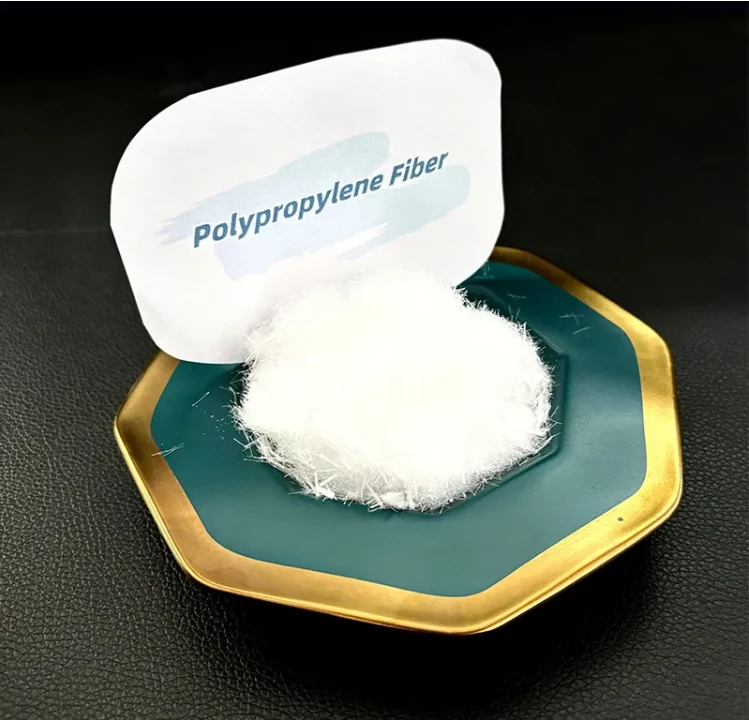
Innovative material engineering is transforming industrial textiles, and strategic blending of fibre natural and synthetic unlocks unprecedented durability, cost efficiency, and functionality. We specialize in bulk solutions that harness this synergy, offering premium polypropylene fiber for sale alongside other key synthetics to empower manufacturers seeking scalable, high-performance materials for demanding applications. The Science of Blending: Natural and A crylic Fib er s for Enhanced Performance Blending fibre natural and synthetic creates composite materials that transcend the limitations of single-fibre textiles. Natural fibres—like cotton, hemp, or jute—deliver breathability, biodegradability, and tactile comfort, while synthetics such as acrylic fiber or polypropylene fiber for sale contribute resilience, weather resistance, and structural integrity. For instance, integrating polypropylene into jute blends drastically reduces moisture absorption, a critical advantage for agricultural packaging exposed to humid environments. Our wholesale programmes facilitate tailored fibre ratios for diverse industrial sectors, from automotive interiors requiring flame retardancy to geotextiles demanding long-term soil stabilization. The synergy elevates tensile strength while preserving environmental goals, allowing bulk buyers to engineer region-specific solutions—like tropical-grade blends resisting fungal growth or arctic-compatible composites maintaining flexibility in sub-zero temperatures. Technical consultations accompany bulk orders, ensuring optimal performance alignment with project specifications. Leveraging Five Types of Synthetic Fibres in Hybrid Textiles Mastering the core five types of synthetic fibres —polyester, nylon, acrylic fiber , polypropylene, and elastane—is essential for designing advanced hybrid textiles. Each synthetic brings irreplaceable properties: acrylic fiber excels in thermal insulation for outdoor gear blends, while polypropylene fiber for sale offers chemical inertness ideal for medical textiles or filtration systems. Synthetic jute , engineered from polymers, replicates natural jute’s texture but enhances consistency and mildew resistance, making it invaluable for export packaging or reinforced composites. When blended with natural fibres, these synthetics mitigate weaknesses—like adding polypropylene to cotton to reduce shrinkage in industrial workwear. We supply all five synthetics in bulk quantities, supported by comprehensive technical documentation detailing attributes like thermal stability and abrasion thresholds. Real-world applications demonstrate extended product lifespans in abrasive environments, such as conveyor belts in mining or protective tarpaulins for construction. Synthetic Jute: Revolutionizing Eco-Conscious Material Blends Synthetic jute is redefining sustainable material solutions for wholesale buyers. Sourced from polypropylene fiber for sale or recycled polymers, it mirrors natural jute’s eco-appeal while eliminating variability in weight and moisture sensitivity—crucial for high-volume manufacturing. Blending synthetic jute with fibre natural and synthetic components (e.g., bamboo-polypropylene hybrids) yields tear-resistant fabrics for geotextiles or biodegradable planters. Our vertically integrated production guarantees rapid bulk order fulfillment, with options for custom enhancements like ultraviolet stabilization for outdoor furniture or antimicrobial treatments for healthcare textiles. Brands leveraging our synthetic jute report significant cost efficiencies versus pure natural fibres, without sacrificing circular-economy credentials, as these blends simplify recycling streams and reduce agricultural dependency. Strategic Sourcing: Bulk Polypropylene Acrylic Fiber and Beyond Optimizing blend performance hinges on strategic wholesale sourcing of core materials. Polypropylene fiber for sale remains indispensable for sectors prioritizing hydrophobicity and recyclability—think marine ropes, nonwoven medical fabrics, or automotive liners. We streamline bulk procurement of PP fiber alongside the full spectrum of five types of synthetic fibres , including niche-grade acrylic fiber for acoustic panels and engineered synthetic jute for circular packaging. Our global logistics network ensures reliable, large-volume deliveries to manufacturing hubs, complemented by blend-validation testing. Partnerships with us unlock R&D advantages, such as substituting cotton with synthetic jute in upholstery to minimize water-intensive processes, aligning with evolving sustainability mandates. FAQs about Fibre Natural and Synthetic How does blending natural fibres with polypropylene fiber for sale improve cost efficiency? Blending reduces reliance on price-volatile natural fibres while leveraging the economical production of polypropylene fiber for sale , yielding substantial cost reductions in bulk manufacturing without compromising functional performance. Which of the five types of synthetic fibres works best with natural jute substitutes? Synthetic jute harmonizes exceptionally with nylon for elasticity-driven applications or acrylic fiber for thermal insulation, creating versatile composites for furniture padding or technical textiles. Can acrylic fiber enhance sustainability in blended textiles? Absolutely. Acrylic fiber ’s durability extends product longevity, reducing waste. Our recycled acrylic variants further diminish environmental footprints, supporting greener bulk production cycles. What bulk quantities apply to synthetic jute orders? We accommodate scalable volumes, with competitive pricing tiers activated at threshold quantities. Custom synthetic jute blends require minimum order volumes for feasibility. How do I test blends using fibre natural and synthetic for my industry? We provide tailored sample kits for real-world performance trials, alongside certified lab analyses assessing parameters like tensile endurance and environmental degradation
advantages
-

200000 Viscosities
Excellent product
We can produce pure products up to 200,000 viscosities
-

40000 tons
High yield
We don’t stop production all year round, and the annual output can reach 40,000 tons
-

24 hours
Quality service
We provide 24-hours online reception service, welcome to consult at any time
———— Inquiry Form
Schedule A services

-
 fiber_polypropen_kwa_ajili_ya_kuuza
Oct . 25, 2025
Different Types of Synthetic Fibers Synthetic fibers have revolutionized the textile industry since -
 hydroxypropyl_methylcellulose_use
Oct . 25, 2025
In the rapidly evolving world of pharmaceutical and health supplement manufacturing, the demand for -
 hydroxypropyl_starch_phosphate_curly_hair
Oct . 25, 2025
Hydroxypropyl Methylcellulose (HPMC) has become an indispensable component in various industries due


